Subscribe to Local Content
LocalContent.com Announces Upcoming AI-Driven Certification Suite to Boost Supply-Chain and Workforce Compliance, Competitiveness, and Economic Opportunity
Take the free assessment instead

Unlocking the Caribbean's Energy Future: A Deep Dive into Venezuela's Potential and Regional Integration

%20(2).png)

.jpg)
Credited: lIeana Ferber, CEO & Founder of at Colibrí Business Development LLC,
The first edition of Caribbean Energy Week in Suriname brought together experts to dissect the complex, yet promising, future of energy in the Caribbean, with a particular focus on Venezuela's vast resources and the imperative for regional cooperation. Discussions highlighted both the immense potential and the significant hurdles that lie ahead in transforming the region into an energy powerhouse.

The Dragon Field Project: A Gateway to Venezuelan Gas
A central point of discussion was the Trinidad & Tobago-Venezuela Dragon Field gas project. Verlier Quan Vie detailed the project's long and arduous journey, which began with a cooperation agreement in 2016 and a heads-of-agreement in 2017. Despite facing sanctions, a new agreement was finally signed in December 2023, with Shell taking the helm as operator. Quan-Vie emphasized that this project is seen as a "door to Venezuela gas," poised to leverage Trinidad's existing processing infrastructure. Gas is anticipated to come to market by 2027, marking a crucial step in regional energy collaboration.
Venezuela's Resource Paradox: Potential vs. Reality
Eric Nelson, the newly appointed president and board member of Ryder Scott Co. L.P. , offered critical insights into Venezuela's hydrocarbon wealth. Drawing on his 25 years of experience, including a background as a former ExxonMobil reservoir engineer, Nelson clarified the distinction between current reserves and future resources. He noted that while Venezuela boasts an estimated 300 billion barrels of oil, realizing this potential demands substantial capital investment and a well-defined development plan. Nelson cautioned that a return to Venezuela's peak oil output levels (3.5-3.7 million barrels per day) would be a protracted process. He estimated it could take a decade and require an investment of $100-200 billion, primarily due to severe infrastructure degradation and a significant loss of skilled personnel.
The Human Element: Ileana Ferber's Perspective
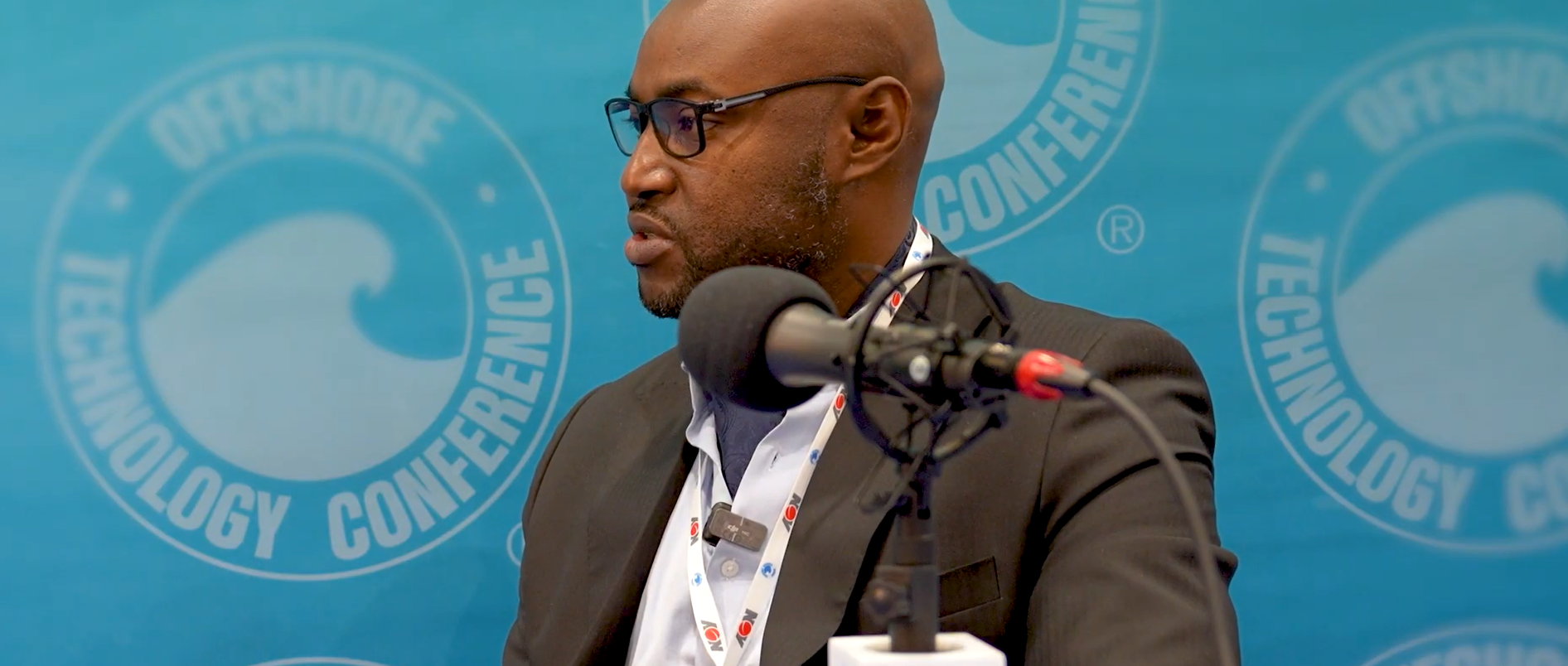
Ileana Ferber, CEO & Founder of at Colibrí Business Development LLC, also a former ExxonMobil professional and a Venezuelan national, provided a deeply personal and expert perspective on the country's challenges. She expressed a cautious optimism, noting that the current situation feels "different" from previous attempts to resolve Venezuela's crises, partly due to external involvement. Ferber highlighted the profound impact of the Venezuelan diaspora, explaining that many highly skilled professionals, who were absorbed by international oil companies (IOCs) and service companies after being dismissed from PDVSA, are now reaching retirement age and are unlikely to return. This brain drain presents a significant hurdle to rebuilding the industry. She stressed that for investment to flow back into Venezuela, security and safety are paramount. Ferber argued that the country must prioritize attracting expatriates, foreign investors, and suppliers to restore its energy sector before focusing on local content regulations. Furthermore, she underscored the critical need to avoid repeating past mistakes of asset expropriation, which has made major players hesitant to re-invest.
A Vision for Regional Energy Hub
Both Quan-Vie and Ferber underscored the immense potential for broader regional energy cooperation. Quan-Vie pointed out that Trinidad's existing energy plants are operating below capacity, creating an opportunity to process more gas, not only from Venezuela but also potentially from Suriname and Guyana. This processed gas could then be exported as LNG and electricity to other Caribbean islands, significantly reducing energy costs and boosting affordability across the region.
Cautious Optimism and the Path Forward
The consensus among experts is one of cautious optimism. As Eric Nelson aptly put it, the region is on the "brink of something special." However, unlocking this potential will necessitate careful navigation of complex political environments, ensuring robust data availability, and establishing strong government-to-government agreements to build trust and guarantee contract durability. The journey to a fully integrated and secure Caribbean energy future will be long, but the foundational steps are now being laid.



Local Content is the Next Compliance Asset Class
LocalContent.com™ transforms how public and private sector projects meet local and domestic content requirements—with technology, data, and certification solutions that build trust, unlock funding, and prove community value.
Subscribe to Local Content
LocalContent.com Announces Upcoming AI-Driven Certification Suite to Boost Supply-Chain and Workforce Compliance, Competitiveness, and Economic Opportunity
Take the free assessment insteadLocal Content is the infrastructure compliance, risk, and trust intelligence platform that powers supplier, workforce, and community benefit investment performance data. The exact metrics governments require of developers, primes, contractors, suppliers, nonprofits, and institutional investors to approve contracts, grants, and incentives that create tangible local economic development.