Subscribe to Local Content
LocalContent.com Announces Upcoming AI-Driven Certification Suite to Boost Supply-Chain and Workforce Compliance, Competitiveness, and Economic Opportunity
Take the free assessment instead

New Jersey Moves Forward with $300 Million Prudential Center Tax Credit as Focus Turns To Execution
.jpg)

.jpg)
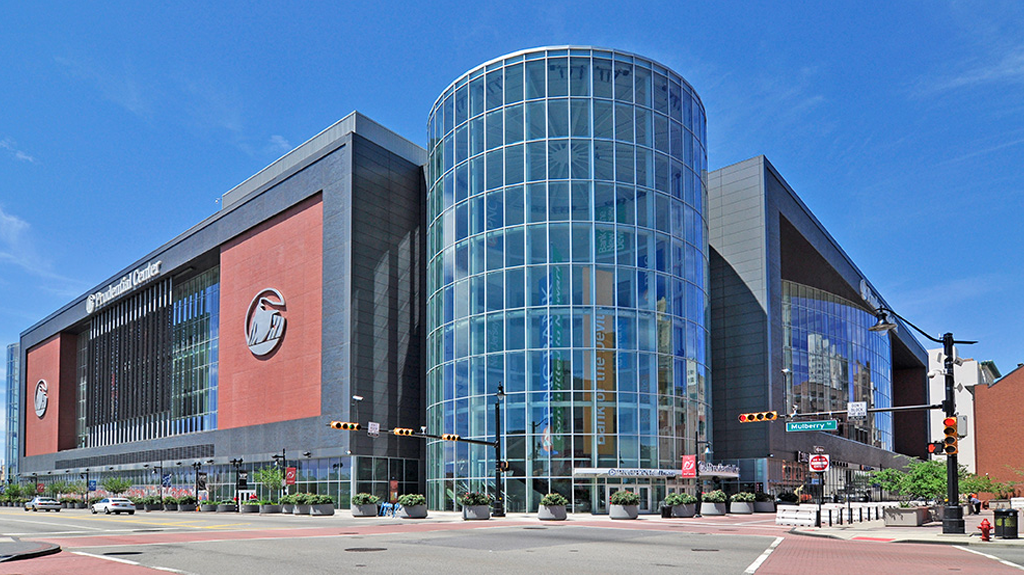
New Jersey lawmakers have approved a plan that allows up to $300 million in state tax credits to help renovate Newark’s Prudential Center. With the vote complete, the project now moves into an execution phase that will decide how well the tax credit works for the state and the city.
The 17,000 seat arena opened in 2007 and has hosted more than 3,000 events and 23 million visitors. As newer arenas open in nearby cities, the Prudential Center faces stronger competition for major concerts, sporting events, and other large shows. Arena operators say updates are needed to keep the venue competitive and operating efficiently.
The legislation allows the tax credit to cover up to 80 percent of renovation costs, with a maximum of $300 million. Before any tax credits are awarded, the project must be reviewed and approved by the New Jersey Economic Development Authority. The review will examine project costs and whether public support is needed to move the work forward.
The legislative vote does not finalize the renovation.
Several key agreements are still required, including long term lease terms, incentive agreements, and coordination with the City of Newark, which owns the building. These agreements will set the rules for how the project is carried out and how results are tracked. With the tax credit approved in principle, attention now shifts to execution. At this stage, clear goals and measurements are important to ensure that public support leads to real economic benefits.
Local and domestic content measures will play a key role. These measures track how much project spending goes to in state suppliers, local workers, and nearby communities.
- For investors and project partners, clear sourcing goals help manage costs and reduce compliance risks as the project moves forward in phases.
- For state agencies, these measures make it easier to track progress and confirm that tax credits support economic activity within New Jersey.
- For local suppliers and contractors, clear expectations help businesses understand how to qualify for project work and what reporting is required.
- For workers, measures related to local hiring, job length, wages, and training help show whether the project creates lasting jobs or only short term employment.
- For community groups, community benefit agreements supported by clear measurements help track neighborhood investments and improve transparency.
Once final agreements are signed and construction begins, it becomes harder to change the rules. Projects that move forward without clear measurements often rely on general claims instead of proven results.
Setting clear local and domestic content measures early allows progress to be tracked over time and helps avoid disputes later.
The success of the Prudential Center renovation will be judged not only by building upgrades, but by whether the tax credit produces real economic benefits for local businesses, workers, and surrounding communities.




Local Content is the Next Compliance Asset Class
LocalContent.com™ transforms how public and private sector projects meet local and domestic content requirements—with technology, data, and certification solutions that build trust, unlock funding, and prove community value.
Subscribe to Local Content
LocalContent.com Announces Upcoming AI-Driven Certification Suite to Boost Supply-Chain and Workforce Compliance, Competitiveness, and Economic Opportunity
Take the free assessment insteadLocal Content is the infrastructure compliance, risk, and trust intelligence platform that powers supplier, workforce, and community benefit investment performance data. The exact metrics governments require of developers, primes, contractors, suppliers, nonprofits, and institutional investors to approve contracts, grants, and incentives that create tangible local economic development.