Subscribe to Local Content
LocalContent.com Announces Upcoming AI-Driven Certification Suite to Boost Supply-Chain and Workforce Compliance, Competitiveness, and Economic Opportunity
Take the free assessment instead

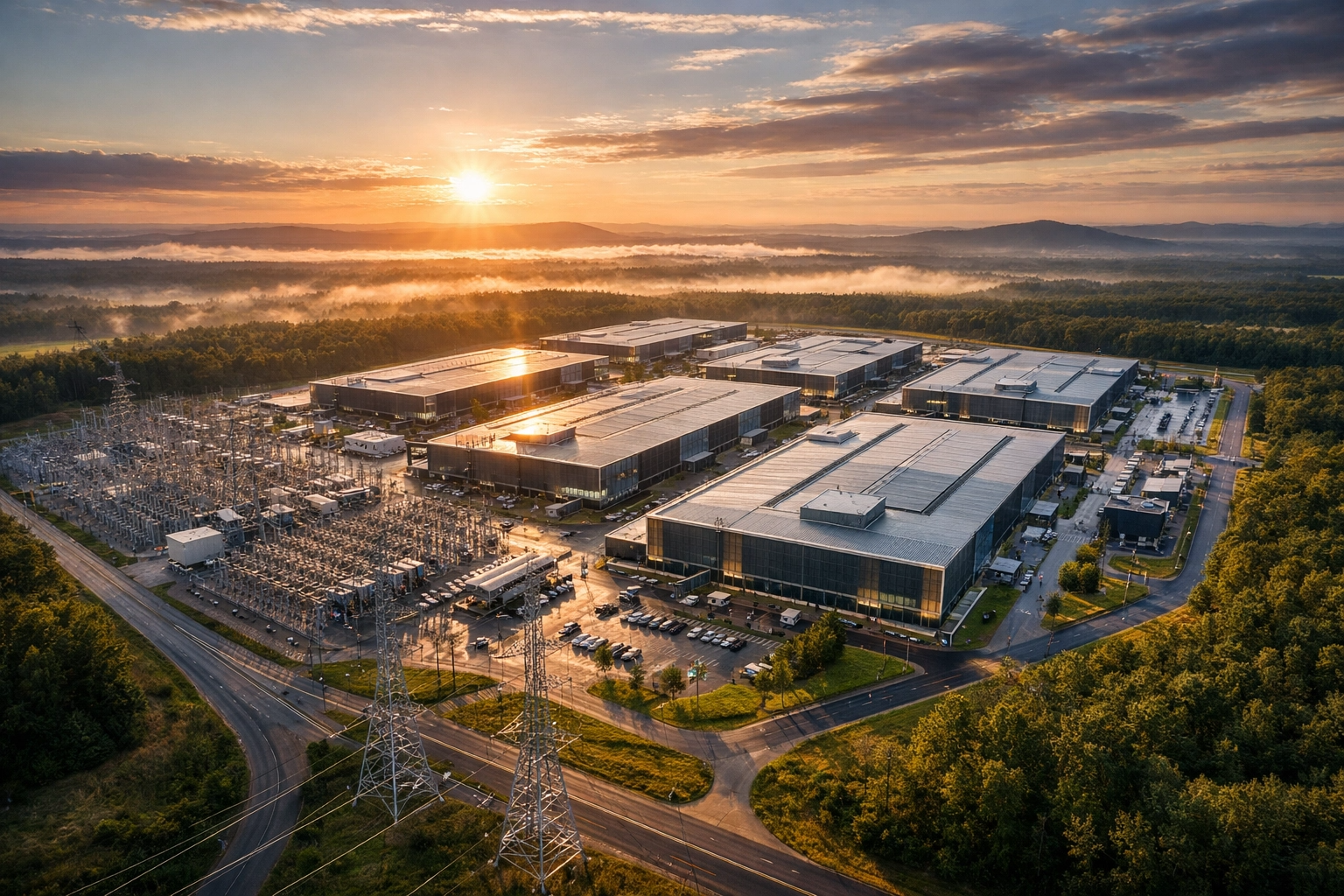
Arkansas's Digital Gold Rush: Pulaski County at the Forefront of a Multi-Billion Dollar Data Center Boom
.jpg)


Pulaski County has firmly established itself as the hub of Arkansas’s rapid emergence as a "technology powerhouse," hosting two of the state's most significant hyperscale data center projects. While major developments are also underway in West Memphis, Conway, and Clarksville, the massive scale of investments in the Little Rock area is positioning the county as the primary engine for the state's digital future.
A Tale of Two Tech Giants in Pulaski County
The county is currently the site of two landmark projects: the Google Port of Little Rock development and the Avaio Digital campus.
Google’s "Project Boar": Operating under the front company Willowbend Capital LLC, Google is developing a $1 billion data center at the Port of Little Rock. Located off Zueber Road in the Sweet Home area, the facility is planned to consist of five industrial buildings totaling 1.43 million square feet. The city has approved a 65% property tax abatement for 30 years and a memorandum of understanding where Google will provide an annual payment of $300,000 to the city. The project is expected to create 50 high-paying jobs with an average annual wage of $100,000.
The $6 Billion Avaio Digital Project: Located on a 760-acre site near Interstate 530, this project represents the largest economic development effort in state history. While the first phase involves a $6 billion investment, the project is projected to reach a staggering $21 billion through full development. Avaio plans to lease the site to "hyperscalers" for AI and cloud computing functions, with construction slated to begin in early 2026.
Expanding the Digital Footprint: Regional Synergy
Beyond Pulaski County, Google is further cementing its presence in Arkansas with a $4 billion data center campus in West Memphis. Nearby Faulkner County is also seeing growth, with Forgelight Ventures—incorporated by the same individual as the Google project—developing a $1 billion, 300,000-square-foot facility in Conway. These projects collectively benefit from Arkansas's competitive land prices and strategic connectivity.
Powering the Progress: Entergy Arkansas’s Expansion
The massive electricity requirements of these "large load customers" are driving a total overhaul of the state's energy infrastructure. Entergy Arkansas is currently contracted to provide 150 MW to the Avaio site, but expects demand to reach 1 GW (1,000 MW) as the facility grows. To meet these soaring needs, Entergy's "Next Generation Arkansas" plan includes:
Adding approximately 2,600 megawatts of new generation.
Re-powering 1,600 megawatts of existing generation over the next five years.
While these expansions are necessary to support the data center boom, Entergy has announced that these agreements are expected to deliver up to $1.7 billion in savings for its customers through shared infrastructure costs and increased efficiency.
Legislative Support and Strategic Infrastructure
State leadership has paved the way for these investments through aggressive policy changes. Act 548 of 2025 lowered the threshold for the "Qualified Data Center" tax exemption from $500 million to $100 million, making the state more attractive to a wider range of tech firms. The law also introduced a "Qualified Large Data Center" category for massive, multi-site projects that invest at least $2 billion over 10 years.
At the local level, the Port of Little Rock has been preparing for this influx by acquiring 800 additional acres and securing over $14.5 million in infrastructure grants to improve rail and mooring capabilities. The recent re-zoning of "Project Boar" land to heavy industrial use allows for the necessary flexibility in noise and odor standards required for massive computing operations, further streamlining the development process.
This unprecedented influx of data center investment presents a significant 'digital gold rush' for local businesses and the broader Arkansas economy. Beyond the direct job creation within the data centers themselves, a ripple effect is anticipated across various sectors. Local construction firms, maintenance services, cybersecurity specialists, and IT support companies will find expanded opportunities.
The increased demand for goods and services from a growing workforce will stimulate growth in retail, hospitality, and housing. Proactive engagement of local entrepreneurs and educational institutions, aligning their offerings with the evolving needs of this high-tech industry, will be crucial to fully capitalize on Pulaski County's emergence as a pivotal technology hub.

.jpg)


Local Content is the Next Compliance Asset Class
LocalContent.com™ transforms how public and private sector projects meet local and domestic content requirements—with technology, data, and certification solutions that build trust, unlock funding, and prove community value.
Subscribe to Local Content
LocalContent.com Announces Upcoming AI-Driven Certification Suite to Boost Supply-Chain and Workforce Compliance, Competitiveness, and Economic Opportunity
Take the free assessment insteadLocal Content is the infrastructure compliance, risk, and trust intelligence platform that scores supplier, workforce, and community benefit performance projects must demonstrate to secure contracts, grants, funding, and regulatory approvals.LocalContent.com increases contract, grant, incentives, and permitting approval success while reducing regulatory risk through verified local supplier, workforce, and community benefit intelligence.