


Subscribe to Local Content
LocalContent.com Announces Upcoming AI-Driven Certification Suite to Boost Supply-Chain and Workforce Compliance, Competitiveness, and Economic Opportunity
Take the free assessment instead

World Maritime Day: Why It Matters to the Global Economy
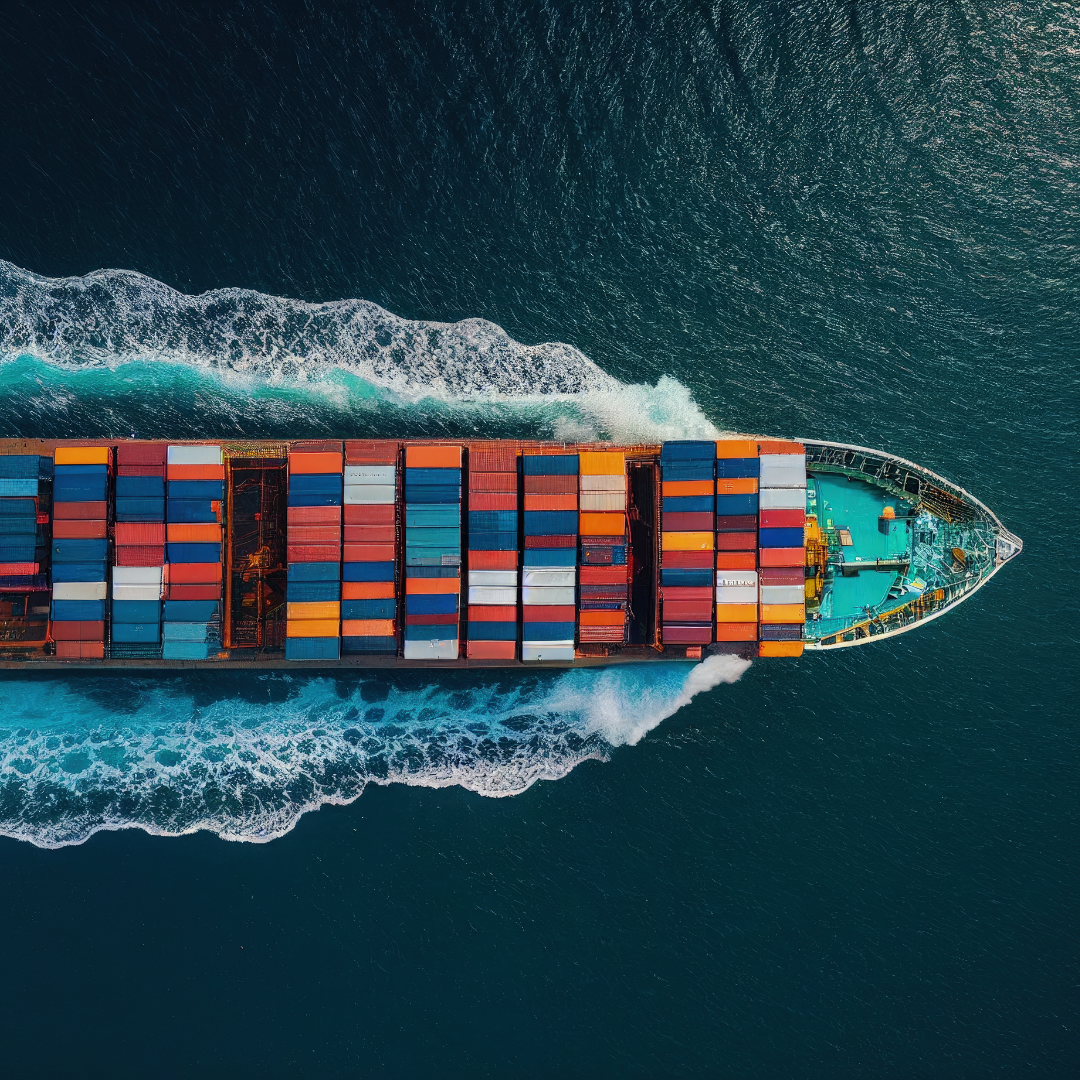


World Maritime Day, led by the International Maritime Organization, recognizes the essential role shipping plays in global stability, trade, and sustainability. While it may appear symbolic, its significance is deeply practical. Nearly 90 percent of global trade moves by sea. Everything from food and fuel to construction materials and consumer goods depends on maritime transport.
At its core, World Maritime Day highlights four pillars: safety, environmental protection, regulatory compliance, and seafarer welfare. These are not abstract ideals. They shape port investments, vessel standards, energy logistics, and international trade policy. When maritime systems function efficiently, economies remain stable. When they are disrupted by conflict, climate events, or regulatory breakdowns, supply chains tighten, prices rise, and national security concerns escalate.
The maritime sector is also central to energy infrastructure. Offshore wind farms, oil and gas platforms, liquefied natural gas exports, and subsea cables all rely on specialized vessels and port capacity. As countries pursue energy independence and cleaner technologies, maritime readiness becomes a strategic advantage. Ports are no longer just shipping hubs. They are anchors of industrial policy and regional economic development.
Another critical dimension is domestic economic impact. Major port expansions and offshore projects generate opportunities for manufacturers, contractors, workforce training institutions, and small businesses. However, these benefits are not automatic. They require transparent procurement systems, measurable workforce commitments, and compliance frameworks that ensure local participation. When structured effectively, maritime investment can strengthen regional economies rather than concentrate gains narrowly.
Environmental responsibility is increasingly central to the industry. Shipping accounts for roughly 3 percent of global greenhouse gas emissions. In response, the International Maritime Organization has advanced decarbonization goals involving alternative fuels, vessel efficiency improvements, and port electrification. This transition will require significant capital investment, innovation, and workforce reskilling over the next decade.
For businesses operating in construction, manufacturing, logistics, defense, or energy, maritime policy directly affects procurement eligibility, supply chain design, and investment strategy. For governments, it shapes trade resilience and economic competitiveness.
World Maritime Day ultimately serves as a strategic checkpoint. It reminds policymakers, industry leaders, and communities that maritime systems are foundational. The strength of global trade, energy security, and coastal economic growth depends on how effectively the maritime sector adapts to a rapidly changing world.



Subscribe to Local Content
LocalContent.com Announces Upcoming AI-Driven Certification Suite to Boost Supply-Chain and Workforce Compliance, Competitiveness, and Economic Opportunity
Take the free assessment insteadWe endorse your supply chain, workforce, and community investments so you strengthen your local economy. Then claim the tax credits, incentives, and permits you qualify for.



.gif)
.gif)
.gif)
.gif)