Subscribe to Local Content
LocalContent.com Announces Upcoming AI-Driven Certification Suite to Boost Supply-Chain and Workforce Compliance, Competitiveness, and Economic Opportunity
Take the free assessment instead

New York City Commits $1 Billion to Transform Coney Island With Housing, Resiliency, and Jobs
%20(2).png)

.jpg)
New York City is launching one of its most ambitious waterfront redevelopment initiatives in decades, committing more than 1 billion dollars to the long term transformation of Coney Island. The investment integrates housing production, climate resilience, and public realm modernization across one of the city’s most iconic coastal districts.
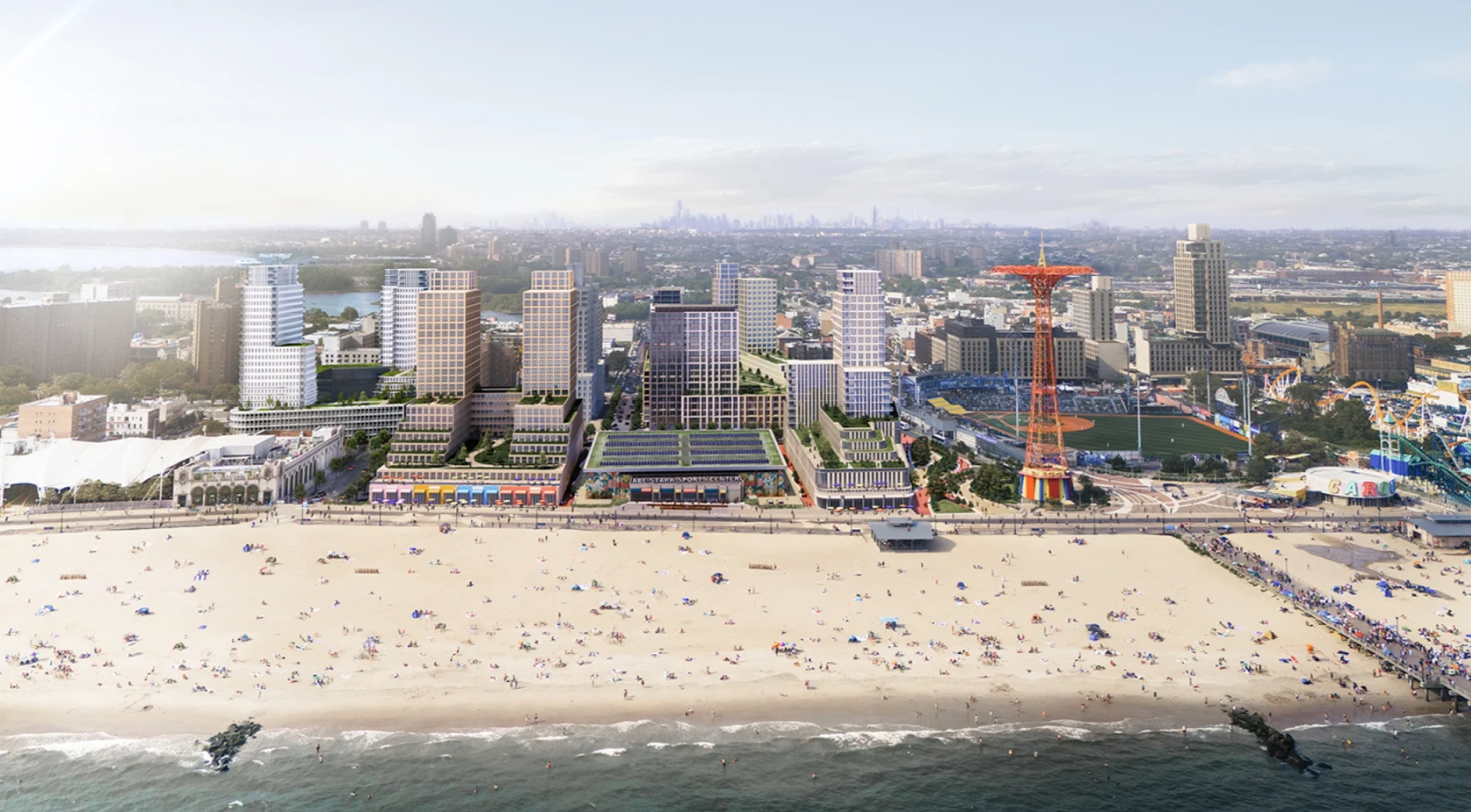
Announced by New York City officials alongside the Department of Parks and Recreation and the New York City Economic Development Corporation, the plan includes a full reconstruction of the 2.7 mile Riegelmann Boardwalk, the development of 1,500 new homes with 25 percent designated as affordable housing, and extensive upgrades to streets, sewers, and public infrastructure. A central component of the public space investment is a 42 million dollar renovation of the Abe Stark Sports Center, a year round recreational facility that has served the community for more than five decades.
City leaders describe the initiative as both an economic development engine and a climate adaptation strategy. The boardwalk reconstruction will modernize aging coastal infrastructure while addressing long term flood risk, sea level rise, and storm resilience. Planned upgrades include enhanced accessibility, new public facilities such as restrooms and lifeguard stations, and improved shade and gathering areas designed to support year round use.
The housing component reinforces the city’s broader strategy to expand housing supply while integrating affordability into large scale redevelopment. In Coney Island West, a city owned surface parking site will be transformed into more than 500 mixed income homes, paired with ground floor retail and new structured public parking. These developments are aligned with peninsula wide flood resiliency investments to ensure long term neighborhood stability.
In parallel, the city is advancing legislation to establish a Coney Island Business Improvement District, designed to coordinate local businesses, enhance cleanliness and safety, and support sustained economic activity beyond the summer tourism season.
Taken together, the Coney Island redevelopment reflects a comprehensive model for urban coastal investment that links housing, infrastructure, public space, and economic opportunity. For residents, businesses, and workers, the initiative signals a multi year pipeline of construction, operations, and community based employment tied to the future of one of New York City’s most recognizable neighborhoods.
What Suppliers and Job Candidates Should Do Now
- For suppliers, contractors, and small businesses: Track NYCEDC and NYC Parks procurement opportunities related to construction, engineering, materials, environmental services, maintenance, retail build out, and logistics. Prepare MWBE and local participation documentation, which is often required or strongly favored on projects of this scale. Position capabilities around climate resilience, including coastal construction, flood mitigation, sustainable materials, and public realm infrastructure. Engage early with community stakeholders and BID organizers to build visibility before contracts and leases are finalized.
- For job candidates and workforce entrants: Target construction, housing development, parks operations, and recreation roles, which will see sustained demand throughout redevelopment phases. Pursue workforce training and union pathways, particularly in green infrastructure and public works. Leverage local residency and community ties, as local hiring priorities frequently apply to publicly supported projects.
Bottom line Coney Island is entering a multi year redevelopment cycle with significant public investment. Suppliers and workers who align early with public sector requirements, workforce standards, and local participation goals will be best positioned to benefit as this transformation moves from planning to execution.
.jpg)

.jpg)

Local Content is the Next Compliance Asset Class
LocalContent.com™ transforms how public and private sector projects meet local and domestic content requirements—with technology, data, and certification solutions that build trust, unlock funding, and prove community value.
Subscribe to Local Content
LocalContent.com Announces Upcoming AI-Driven Certification Suite to Boost Supply-Chain and Workforce Compliance, Competitiveness, and Economic Opportunity
Take the free assessment insteadLocal Content is the infrastructure compliance, risk, and trust intelligence platform that powers supplier, workforce, and community benefit investment performance data. The exact metrics governments require of developers, primes, contractors, suppliers, nonprofits, and institutional investors to approve contracts, grants, and incentives that create tangible local economic development.